
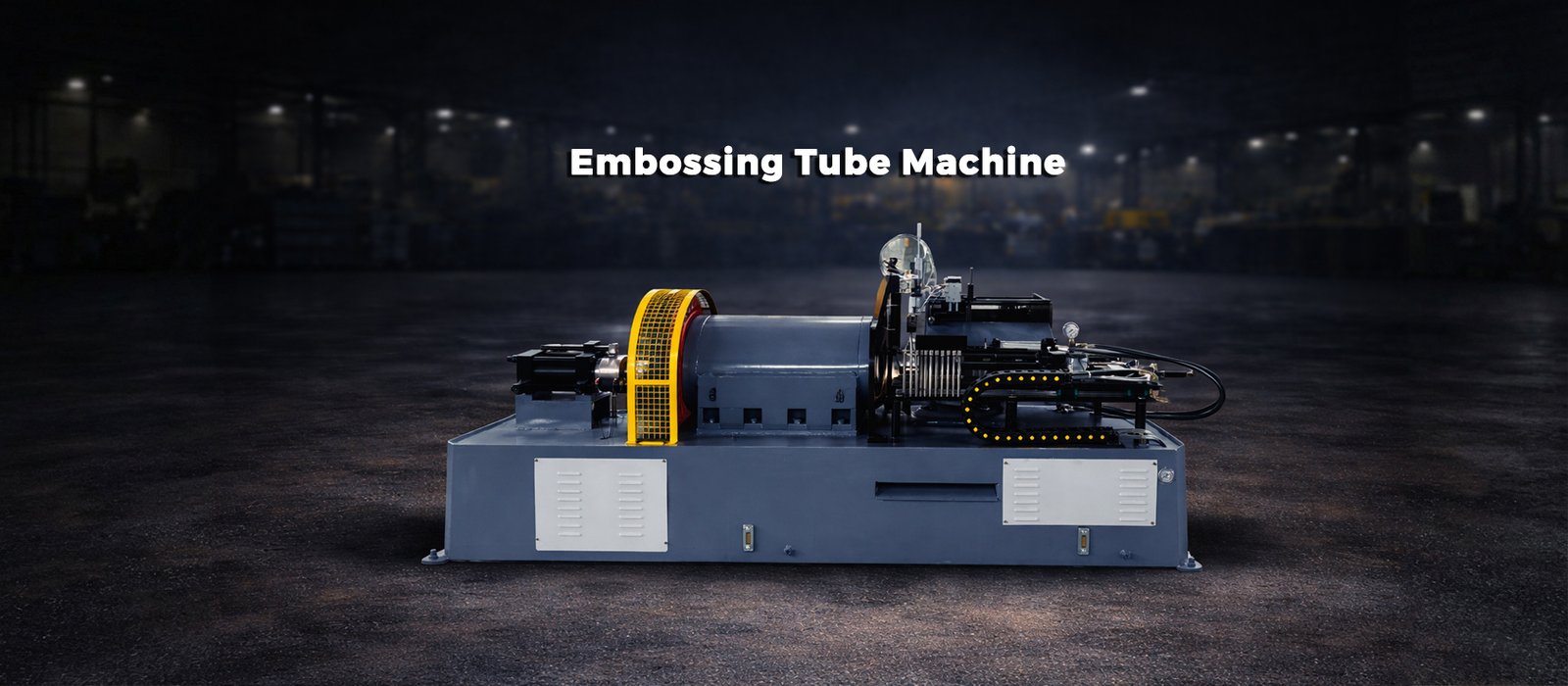
Embossing Tube Overview
Advantages and Characteristics
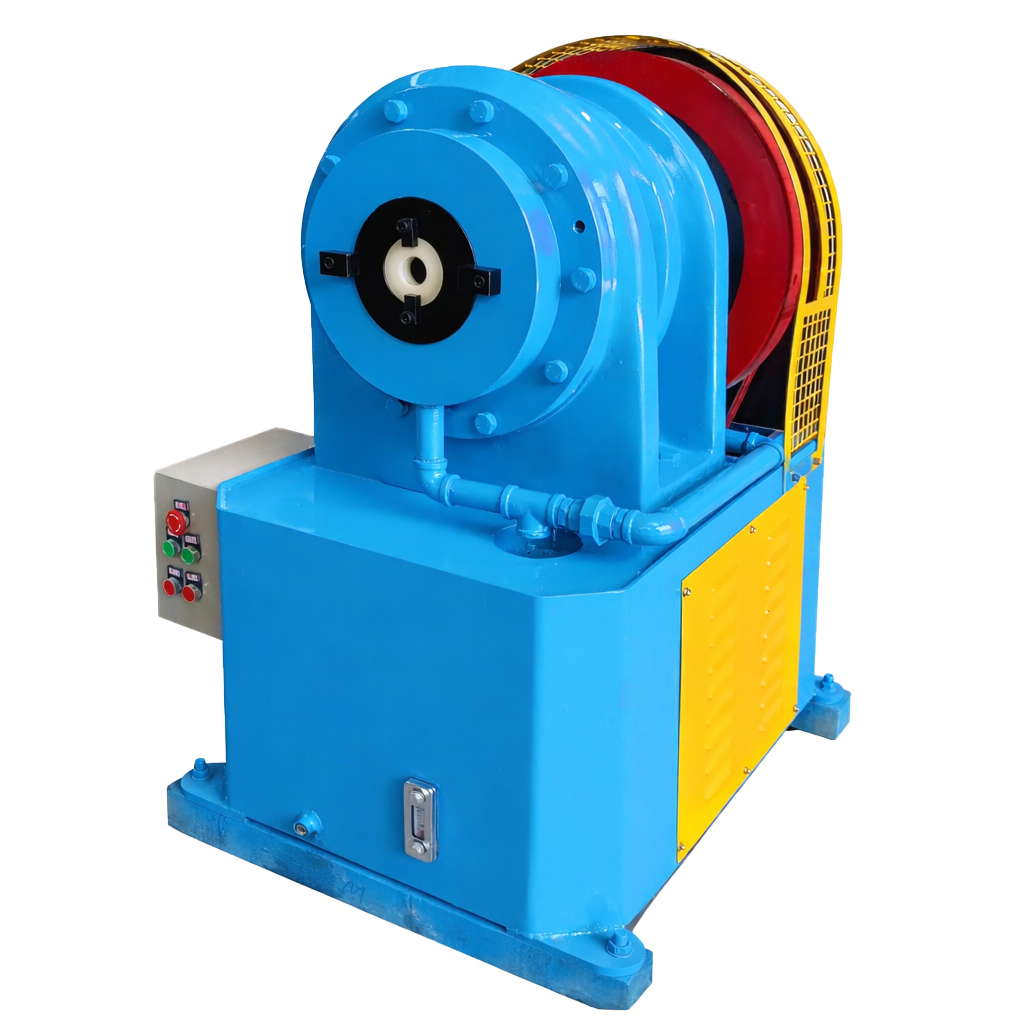
1.This equipment is used for processing metal pipes as embossed pipes;
2.Manual and automatic options are avallable. Manual feeding embossing has the characteristics ofeasy peration, high yield and stable performance
3.The workpiece forming time is short, the efficiency is high, the processing surface is smooth, and the workpiece has no scars;
4.Machine mold replacements simple, in the corresponding mold with the processing of diferent shapes of metal pipes, to meet diferent needs, you canpress iron pipe,aluminum pipe, copper pipe stainless steel pipe.
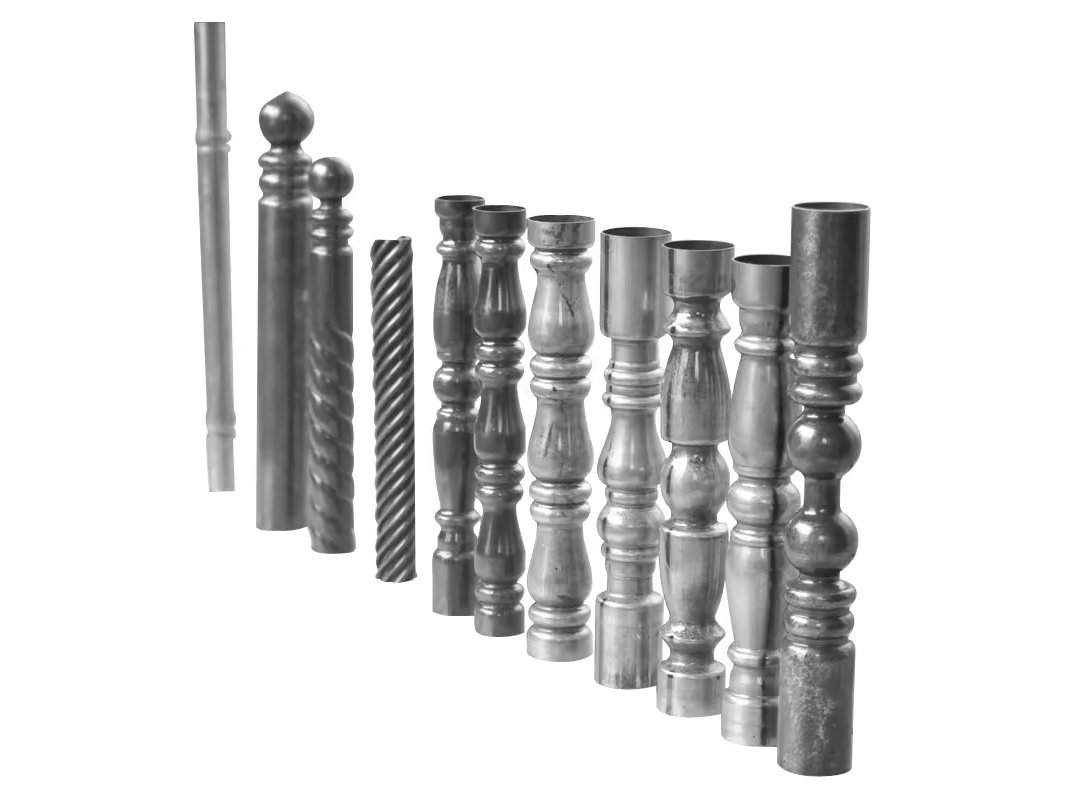
5.Suitable for furniture hangers, stair handrails, craft parts molding processing.
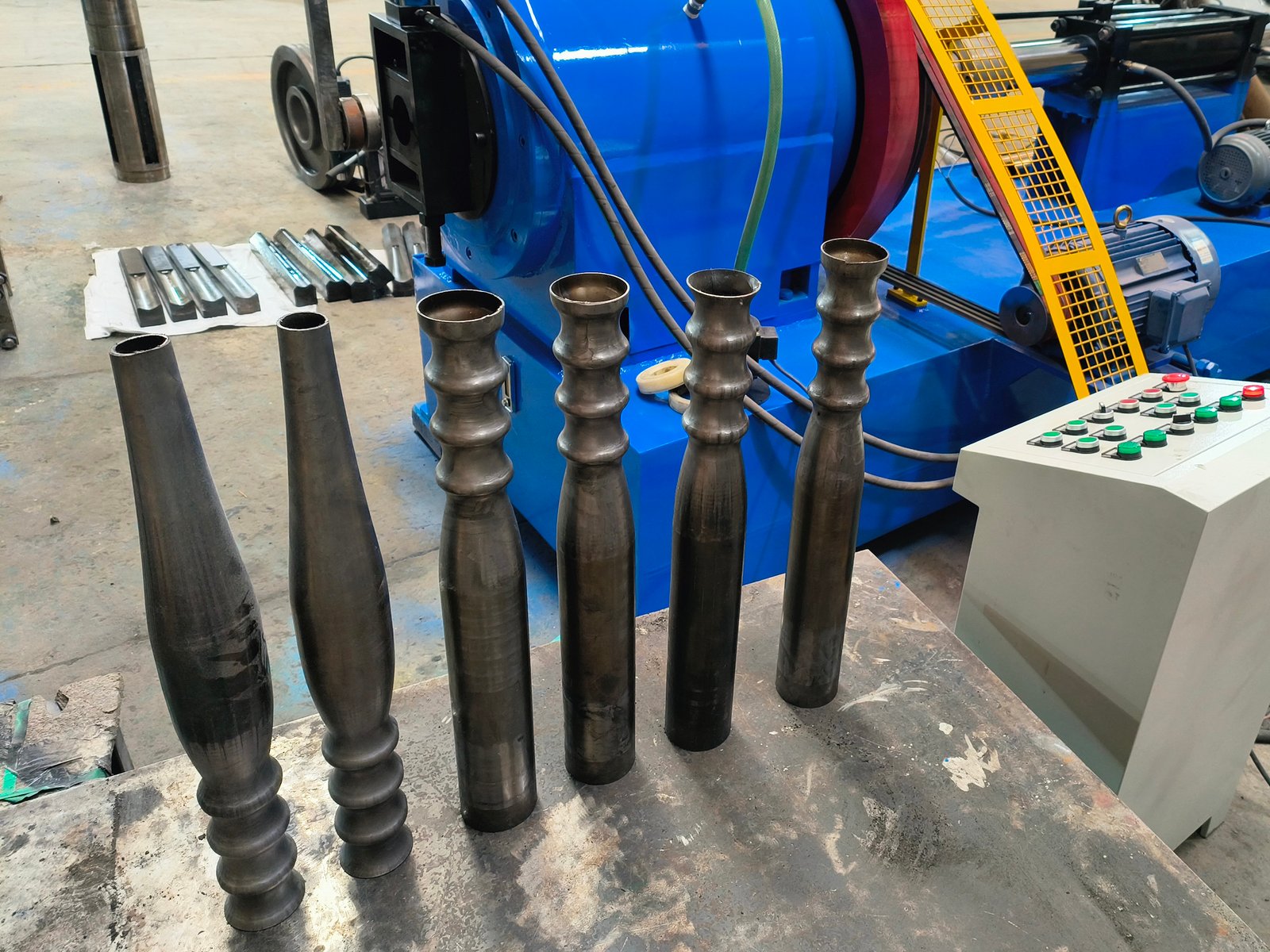
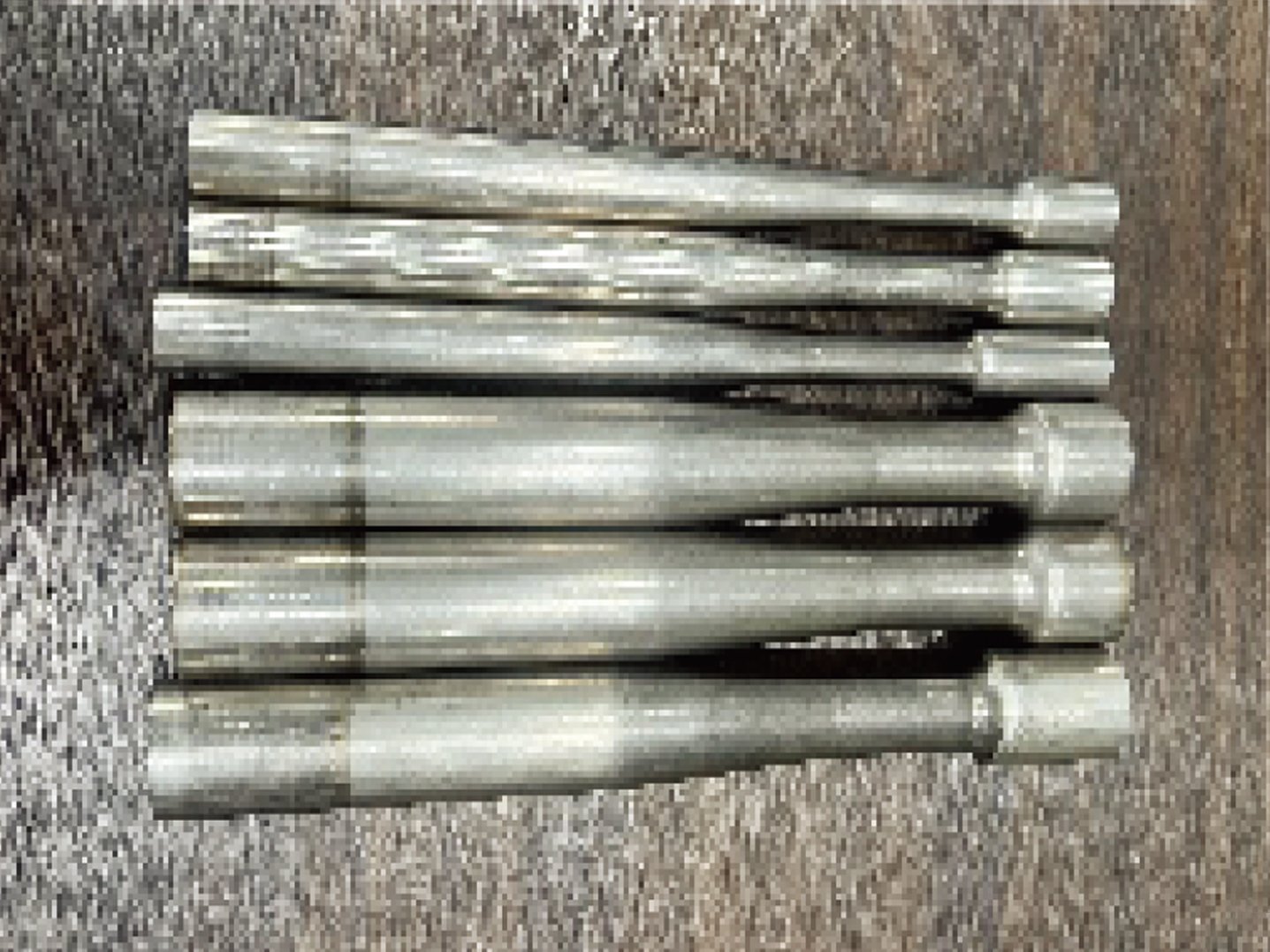
Embossing Tube Machine
Technical Specifications
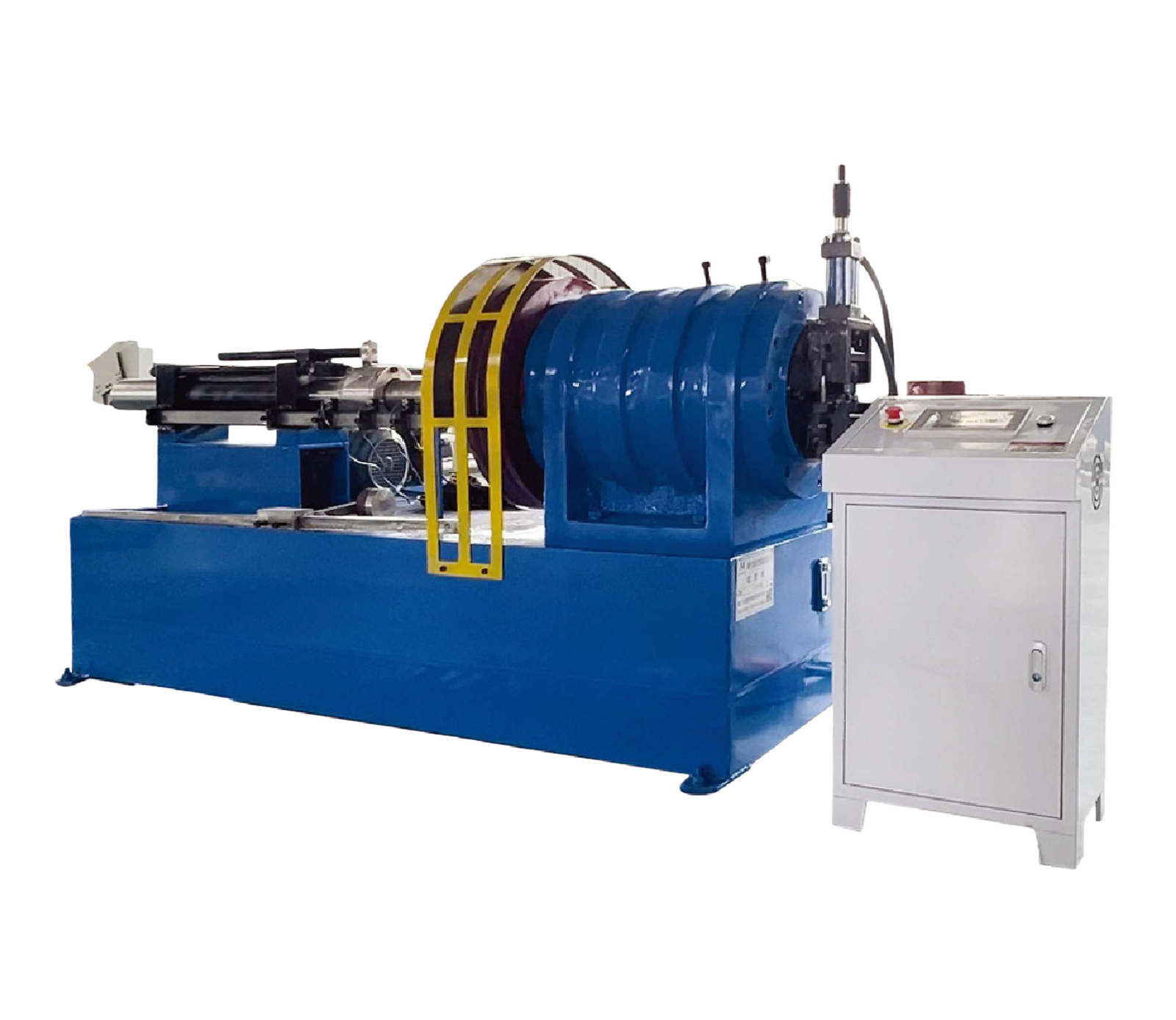
Manual Embossing tube machine
Key Advantages
- Simple structure, easy operation
- Quick die change
- Suitable for various tube patterns
- Low maintenance requirements
Furniture metal tube connectors
Fitness equipment cylindrical parts
Bicycle frame tube ends
Maximum embossing capability | Outer diameter Φ50 mm |
Maximum machining thickness | 0.7–1.2 mm |
Die length | 450 mm |
Spindle motor power | 3.0 kW |
Spindle speed | 248 rpm |
Voltage | 380V 50Hz |
Forming time | 7–30 s |
Weight | 1.8 T |
Feed | Manual |
Maximum hopper discharge length | — |
Product yield | — |
Overall dimensions (L×W×H) | 1800 × 1400 × 1500 mm |
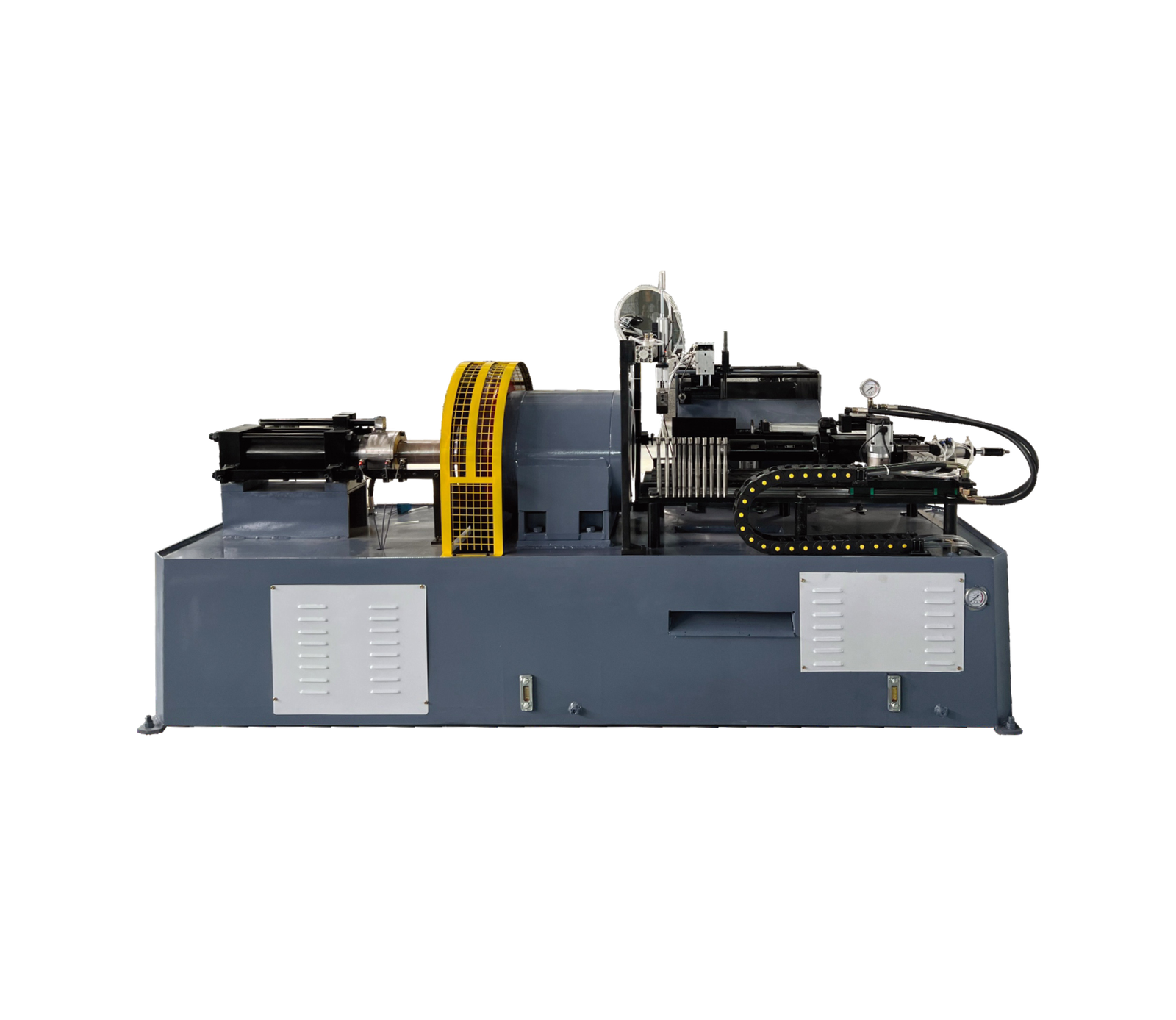
Automatic Embossing tube machine
Key Advantages
- Fully automatic feeding and forming
- High production efficiency
- Stable and consistent embossing quality
- Precision control system
Temporary structure foundations
Electrical conduit connectors
Lighting fixture metal shells
Maximum embossing capability | Outer diameter Φ50 mm |
Maximum machining thickness | 0.7–1.5 mm |
Die length | 300 mm |
Spindle motor power | 4.0 kW |
Spindle speed | 248 rpm |
Voltage | 380V 50Hz |
Forming time | 7–30 s |
Weight | 1.8 T |
Feed | Automatic loading & unloading |
Maximum hopper discharge length | 600 mm |
Product yield | 240–300 pcs/hour |
Overall dimensions (L×W×H) | 2600 × 1100 × 1400 mm |
Key Features & Technical Specifications
Precision Embossing and Surface Forming Capability
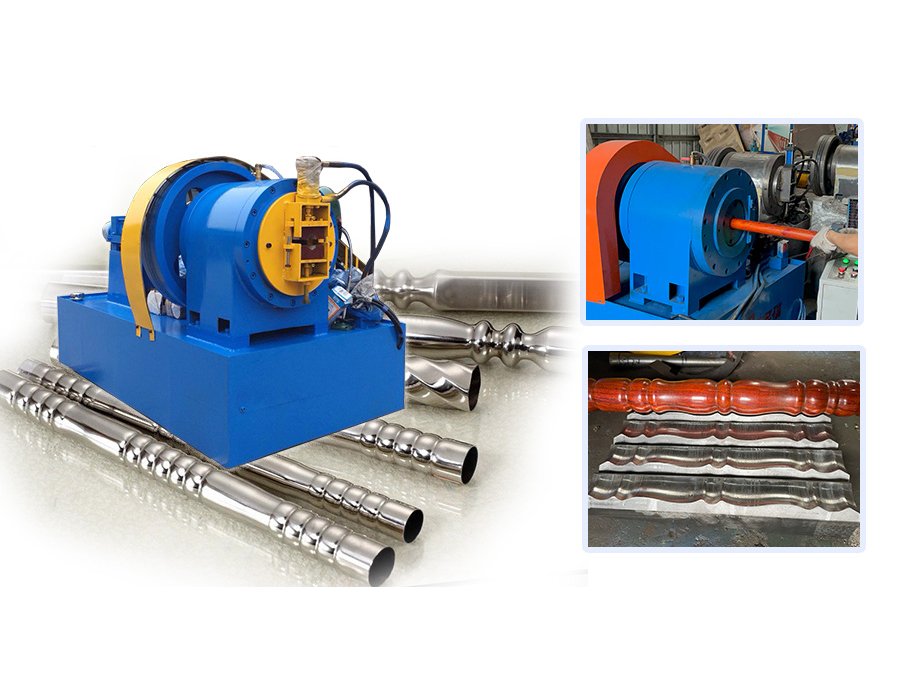
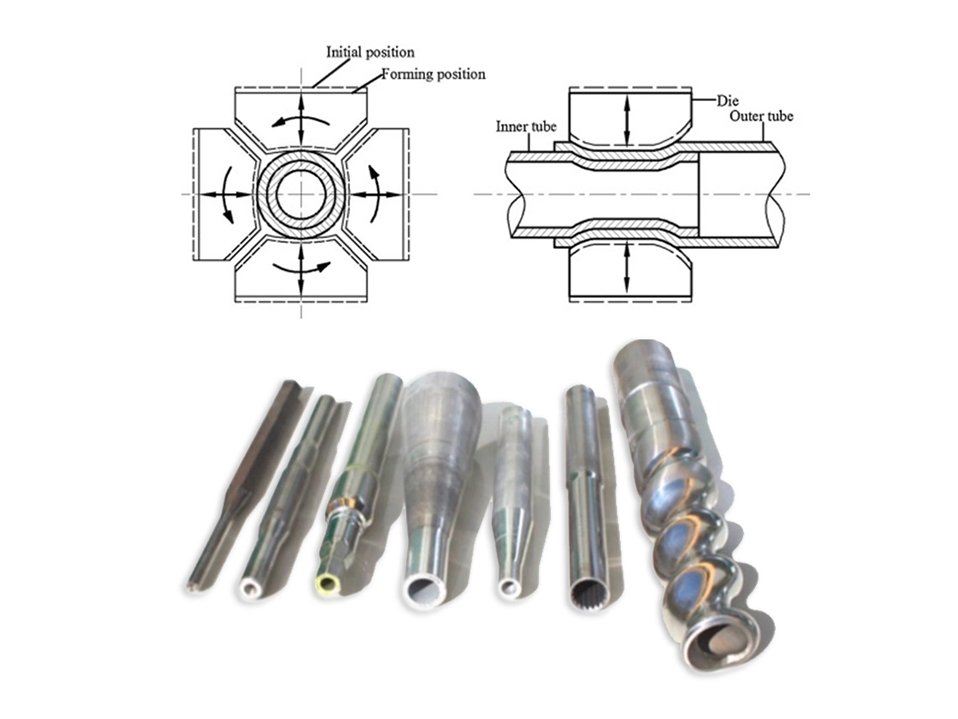
The Embossing Metal Tube Machine is designed to create consistent surface patterns, ribs, or textures on metal tubes through controlled rotary forming. The embossing process enhances both functional and aesthetic properties of the tube, improving grip, mechanical strength, or bonding performance in subsequent assembly processes. Unlike secondary machining or stamping, rotary embossing forms patterns directly into the material without removing metal, preserving structural integrity and reducing waste. This makes it suitable for applications such as decorative tubes, structural components, and functional industrial parts.
Flexible Pattern and Tooling Customization
One of the key strengths of this machine lies in its tooling flexibility. Embossing dies can be customized according to customer drawings, enabling a wide variety of patterns, depths, and lengths. The machine supports different tube diameters and materials, allowing manufacturers to quickly switch between product types. This adaptability makes it an excellent choice for customers producing multiple tube designs or serving diverse markets, from construction and furniture to automotive and industrial equipment sectors.
Efficient Production with Stable Quality Control
The machine is engineered for smooth material feeding and synchronized embossing action, ensuring uniform pattern depth and spacing throughout the tube length. Stable mechanical transmission and precise alignment minimize vibration and surface defects. Combined with user-friendly controls and reliable safety systems, the machine supports efficient batch production while maintaining consistent quality. For manufacturers, this translates into higher productivity, reduced rework, and a professional finished appearance that enhances product competitiveness in global markets.
Applications & Industries
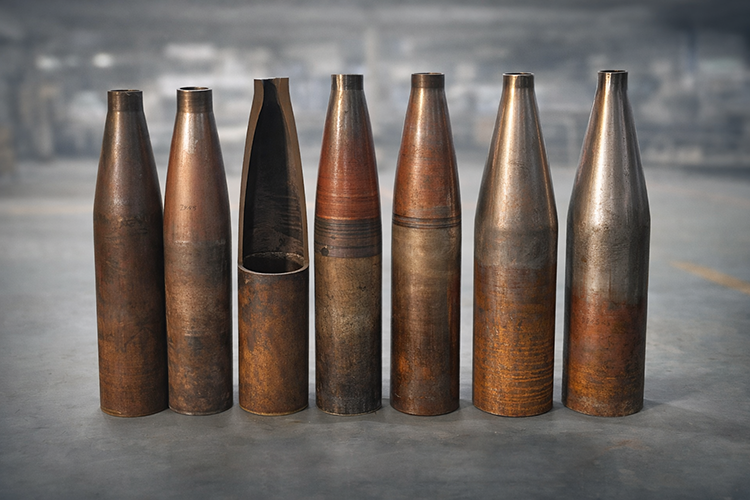
High-Strength Industrial Components
In the manufacturing of high-strength industrial components, rotary forging is particularly suitable for the precision forming of hollow, thick-walled, axisymmetric metal parts.
Through multi-pass incremental plastic deformation, the process significantly improves material density, axial strength, and overall structural consistency, while minimizing material waste.
This technology is widely applied in the production of metal shell-type components designed to withstand high internal pressure, strong impact loads, and extreme operating conditions.
Such applications demand exceptional forming accuracy, uniform wall thickness, and structural integrity—requirements that conventional manufacturing methods often struggle to achieve efficiently.
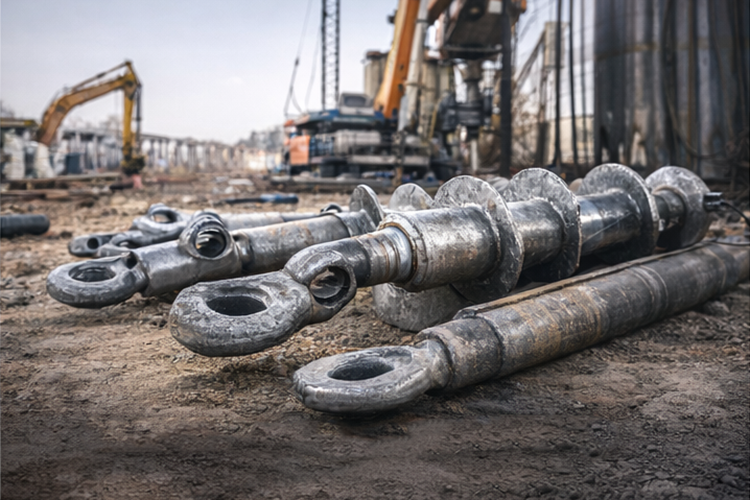
Construction & Ground Anchoring
In construction and ground anchoring applications, rotary forging enables the efficient production of robust anchoring and structural connection components.
These parts require high load-bearing capacity, fatigue resistance, and consistent quality to ensure safety and stability in civil engineering and foundation systems.
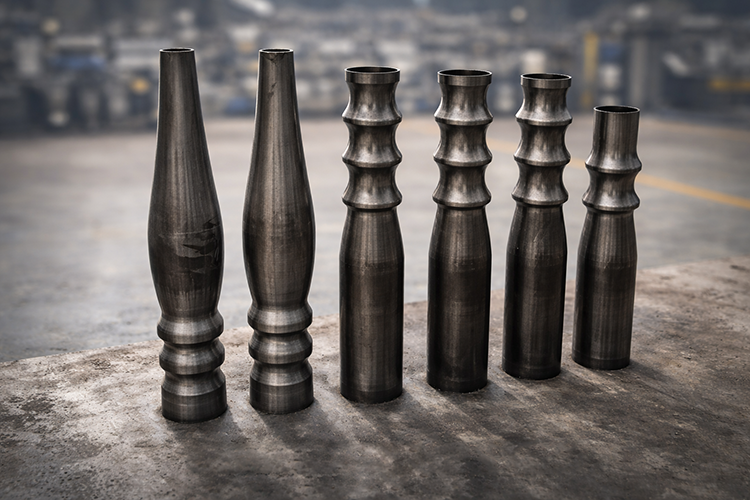
Furniture & Structural Components
For furniture and general structural components, rotary forging provides a cost-effective solution for shaping metal elements with enhanced strength and clean surface quality.
The process supports both functional performance and aesthetic requirements, making it suitable for modern industrial and architectural furniture designs.
Automotive & Heavy Industry
In automotive and heavy industry applications, rotary forging is used to manufacture high-performance metal parts that demand strength, durability, and dimensional accuracy.
Typical applications include structural components and load-bearing parts where material integrity and production consistency are critical.
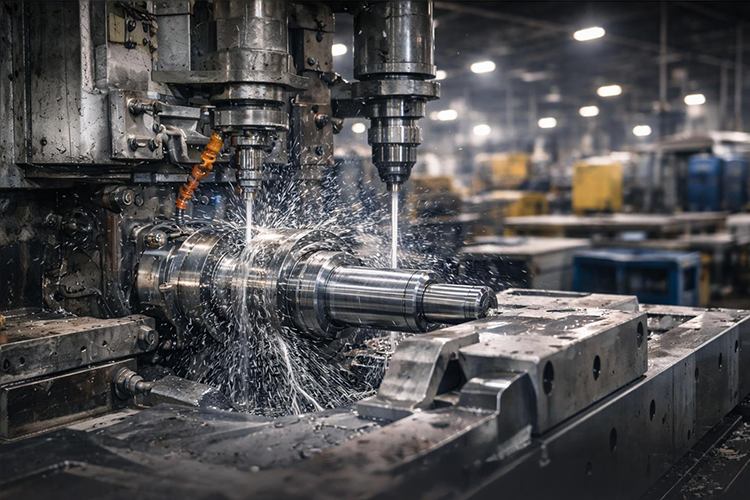
Energy & Infrastructure
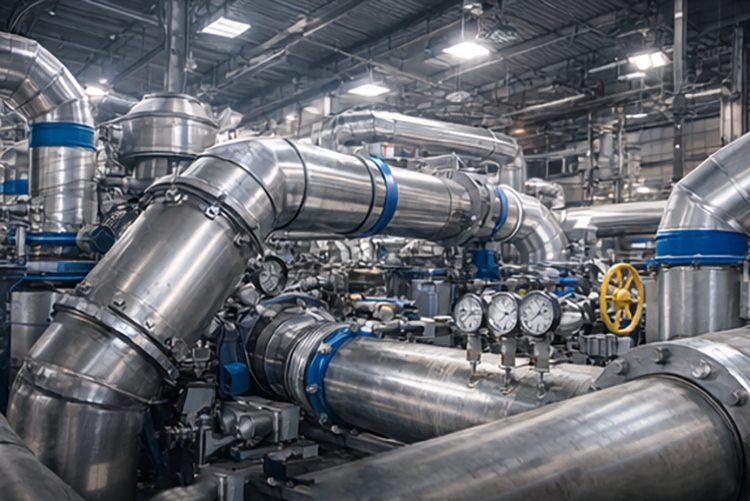
Rotary forging machines are extensively used in the energy and infrastructure sectors for forming high-strength metal components required in power transmission, energy equipment, and large-scale infrastructure systems.
The process ensures excellent mechanical performance and long-term reliability for components operating under continuous load and harsh environments.
Why EAS Machinery ?
Engineering-Driven Design
Machines designed from real forming processes, not generic templates.
Heavy-Duty Manufacturing Standard
Rigid frames, high-load spindles, and industrial-grade components.
Flexible Customization Capability
From standalone machines to integrated forming lines.
Export Experience & Compliance Awareness
Designed for international markets and long-term operation.
Service
Requirement Analysis
Technical Proposal & Configuration
Manufacturing & Testing
Delivery & After-Sales Support
Get Started Today!
Focused on Heavy-Duty Forming Solutions
Ready for growth? Get a personalized quote for our printing solutions today and start transforming your business vision into reality.
Your email information will be kept strictly confidential and our business staff will ensure that your private information is absolutely safe!