
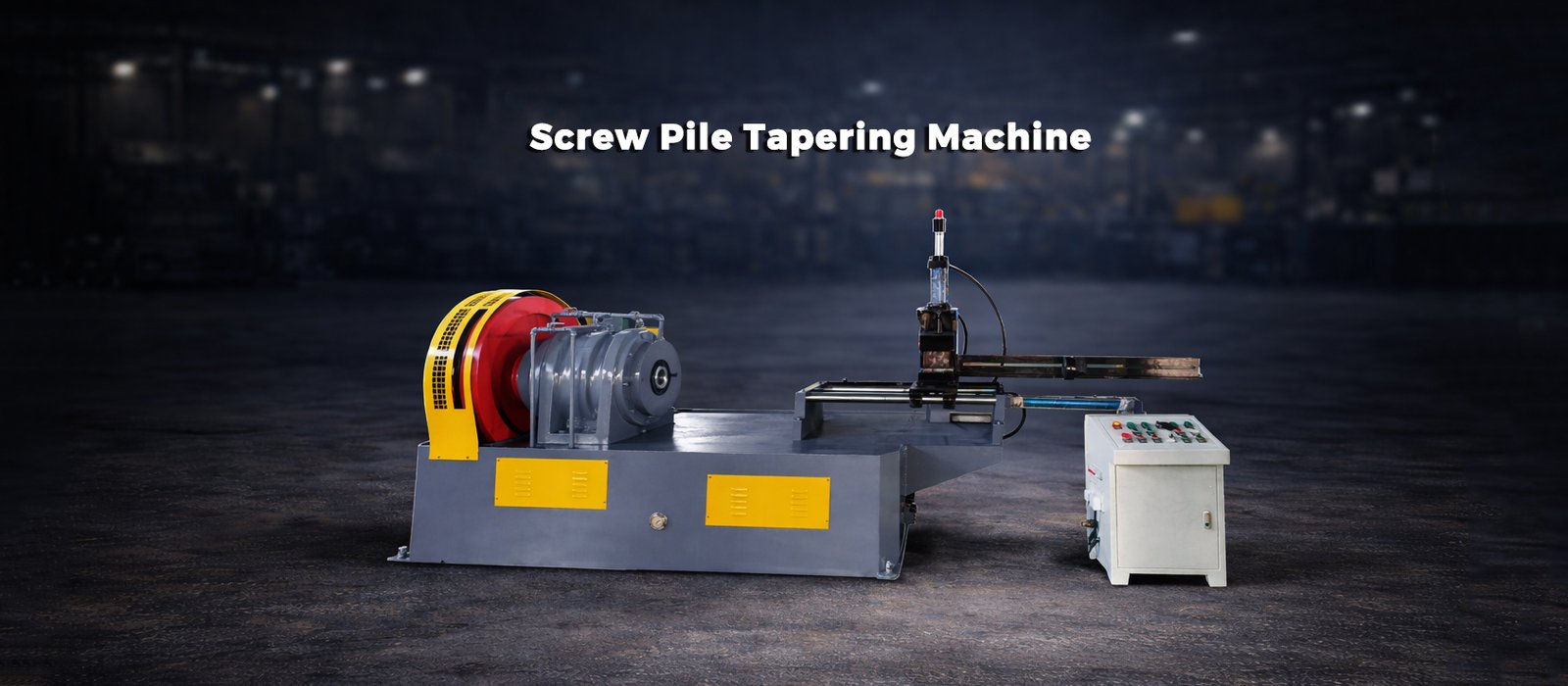
Pile Tapering Overview
Advantages and Characteristics
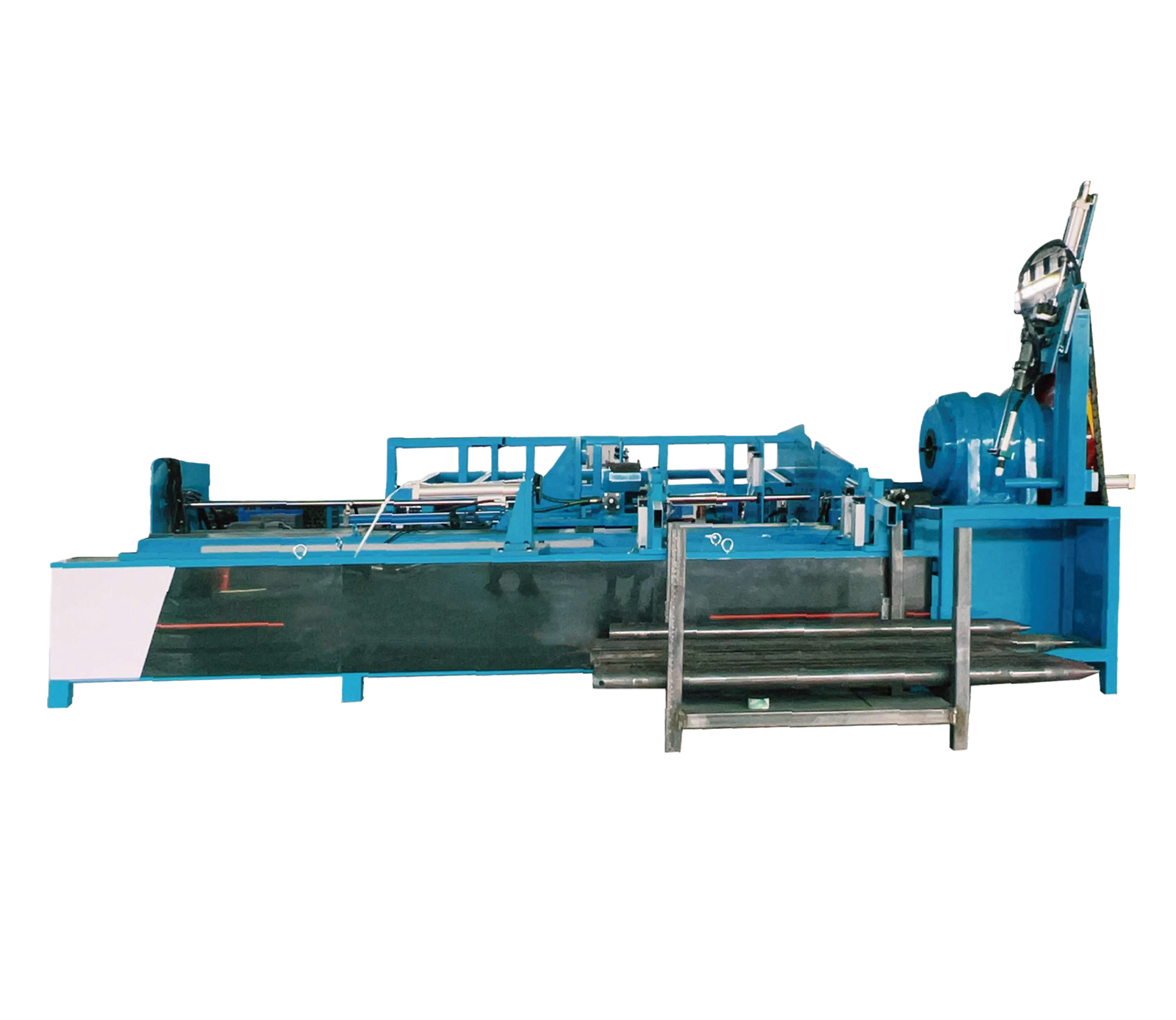
1.This equipment is used to process metal tubes for conical tubes;
2.There are manual,automatic options, with hydraulic feding with low noise, easy to operate, highoutput, stable performance and so on;
3.The workpiece forming time is short, the efficiency is high, the processing surface is smooth, and the workpiece has no scars;
4. The machine mold is simple to replace,and dfferent shapes of metal pipes can be processed with the coresponding mold to meet diferent needs;
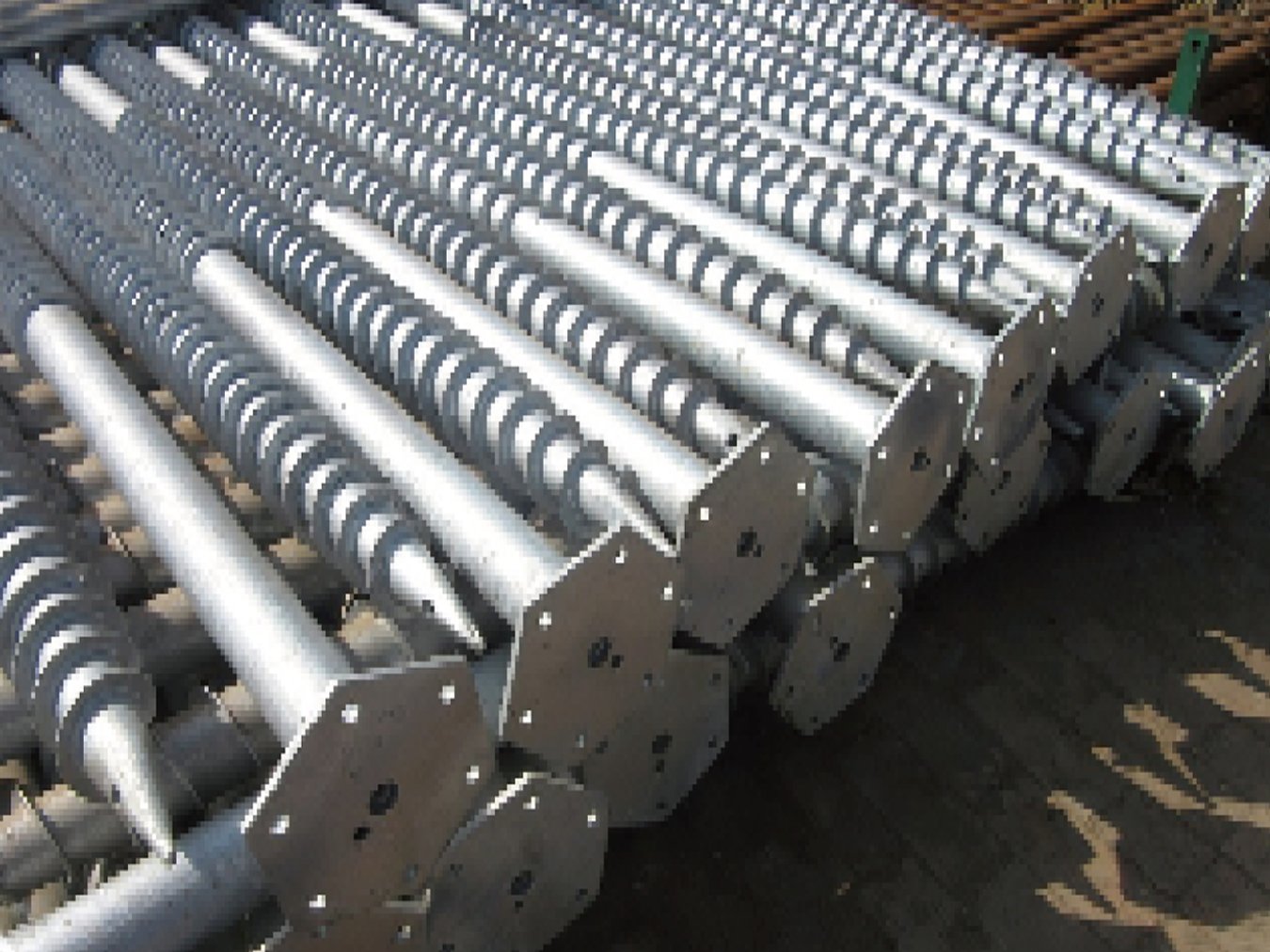
5.It is suitable for spiral pile, automobile, furniture, lighting, bicycle, casting small pipe taper molding processing.
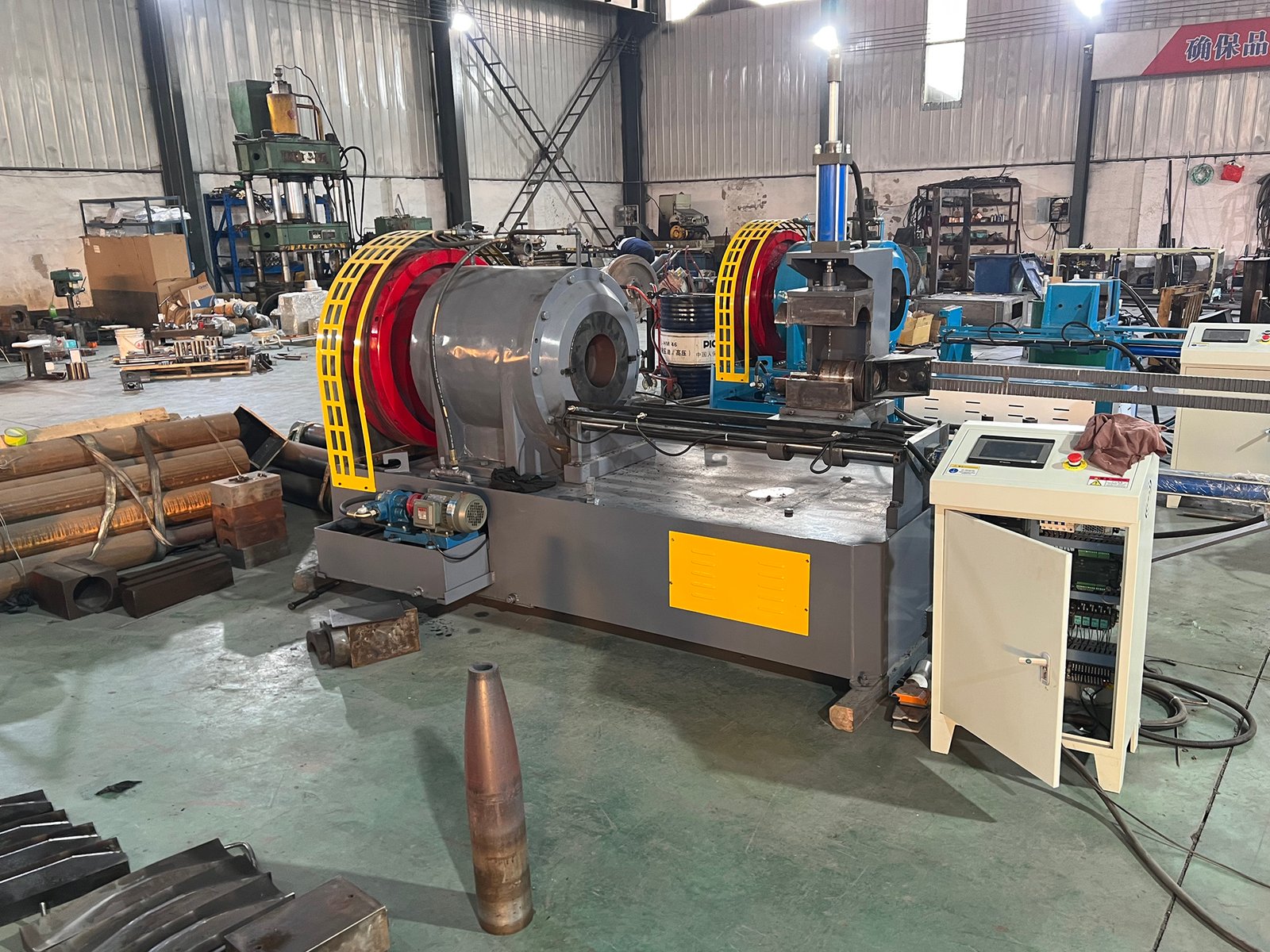
Screw Pile Tapering Machine
Technical Specifications
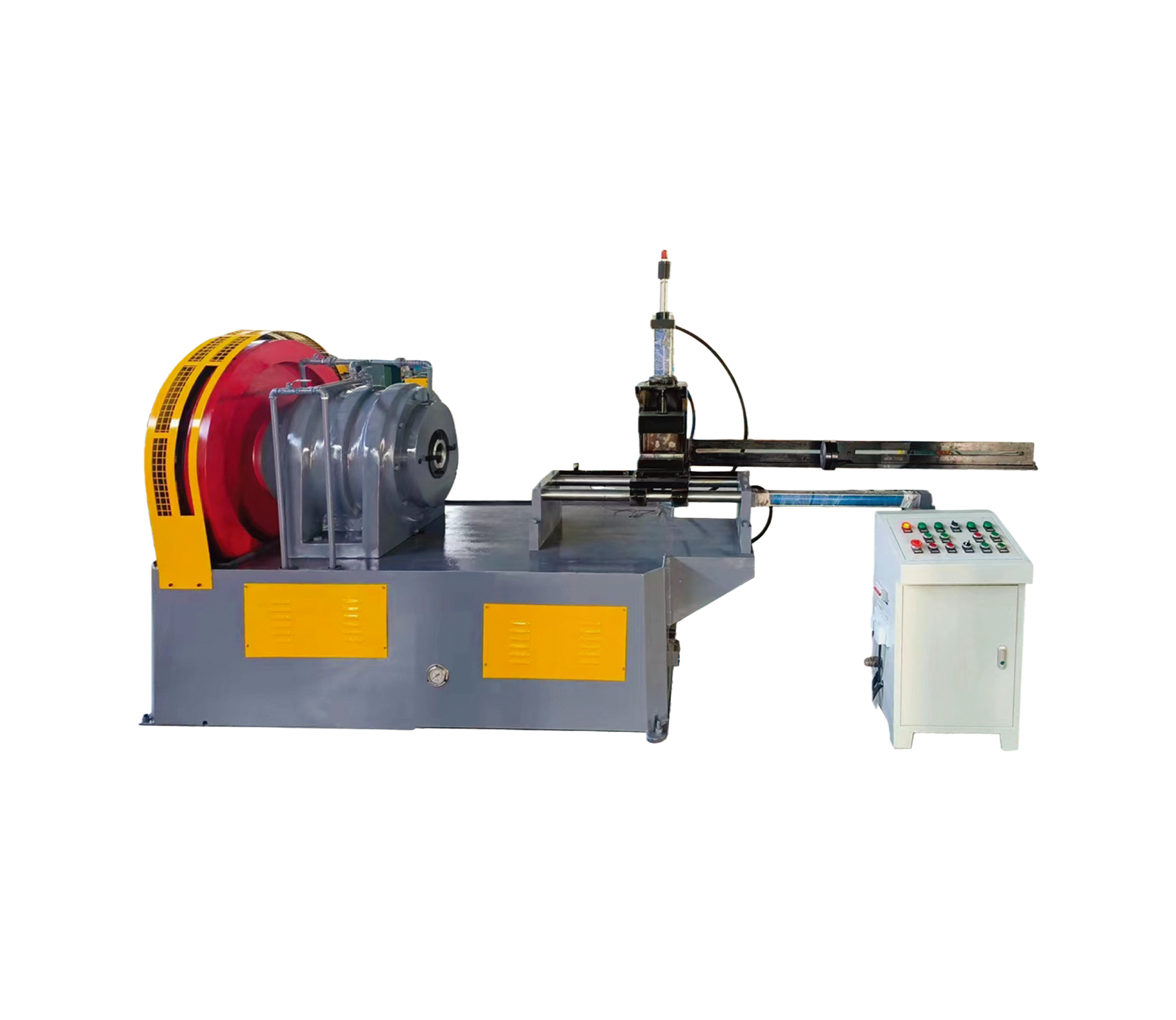
Semi-automatic screw pile tapering machine
Key Advantages
- Cost-effective solution
- Simple operation and maintenance
- Stable tapering accuracy
- Compact structure and space-saving
Fence and guardrail installation
Ground-mounted solar structures
Modular house support systems
Maximum tube shrinking capacity | Ø114 mm |
Maximum machined tube thickness | Ø76 × 150 mm taper up to 6.0 mm thickness; Ø89 × 170 mm taper up to 6.0 mm thickness; Ø114 × 200 mm taper up to 6.0 mm thickness |
Die length | 400 mm |
Spindle motor power | 18.5 kW |
Spindle speed | 248 rpm |
Voltage | 380V 50Hz |
Forming time | 20–30 s |
Weight | 7 T |
Hydraulic feed | Not suitable for multiple feeding |
Maximum length of hopper discharge | Within 3500 mm |
Feeding accuracy | ±0.5 mm |
Volume dimension | 5000 × 5200 × 1700 mm |
Product yield | 120–150 pcs/hour |
Maximum taper of tube forming | 380 mm |
High frequency heating | Output power 90 kW; oscillation frequency 30–100 kHz; cooling water pressure 0.3 MPa; water temperature requirement <40°C; main machine weight 40 kg / 30 kg |
Plasma punching | Model 120 |
Cooling tower | 10T wall-mounted cooling tower |
Automatic screw pile tapering machine
Key Advantages
- Fully automatic production cycle
- High efficiency and output
- Consistent tapering precision
- Ideal for mass production lines
Pipeline and utility supports
Agricultural machinery tube components
Scaffolding joint sleeves
Maximum tube shrinking capacity | Ø114 mm |
Maximum machined tube thickness | Ø76 × 150 mm taper up to 6.0 mm thickness; Ø89 × 170 mm taper up to 6.0 mm thickness; Ø114 × 200 mm taper up to 6.0 mm thickness |
Die length | 400 mm |
Spindle motor power | 18.5 kW |
Spindle speed | 248 rpm |
Voltage | 380V 50Hz |
Forming time | 20–30 s |
Weight | 7 T |
Hydraulic feed | Not suitable for multiple feeding |
Maximum length of hopper discharge | Within 3500 mm |
Feeding accuracy | ±0.5 mm |
Volume dimension | 5000 × 5200 × 1700 mm |
Product yield | 120–150 pcs/hour |
Maximum taper of tube forming | 380 mm |
High frequency heating | Output power 90 kW; oscillation frequency 30–100 kHz; cooling water pressure 0.3 MPa; water temperature requirement <40°C; main machine weight 40 kg / 30 kg |
Plasma punching | Model 120 |
Cooling tower | 10T wall-mounted cooling tower |
Key Features & Technical Specifications
Specialized Tapering for Screw Pile Production
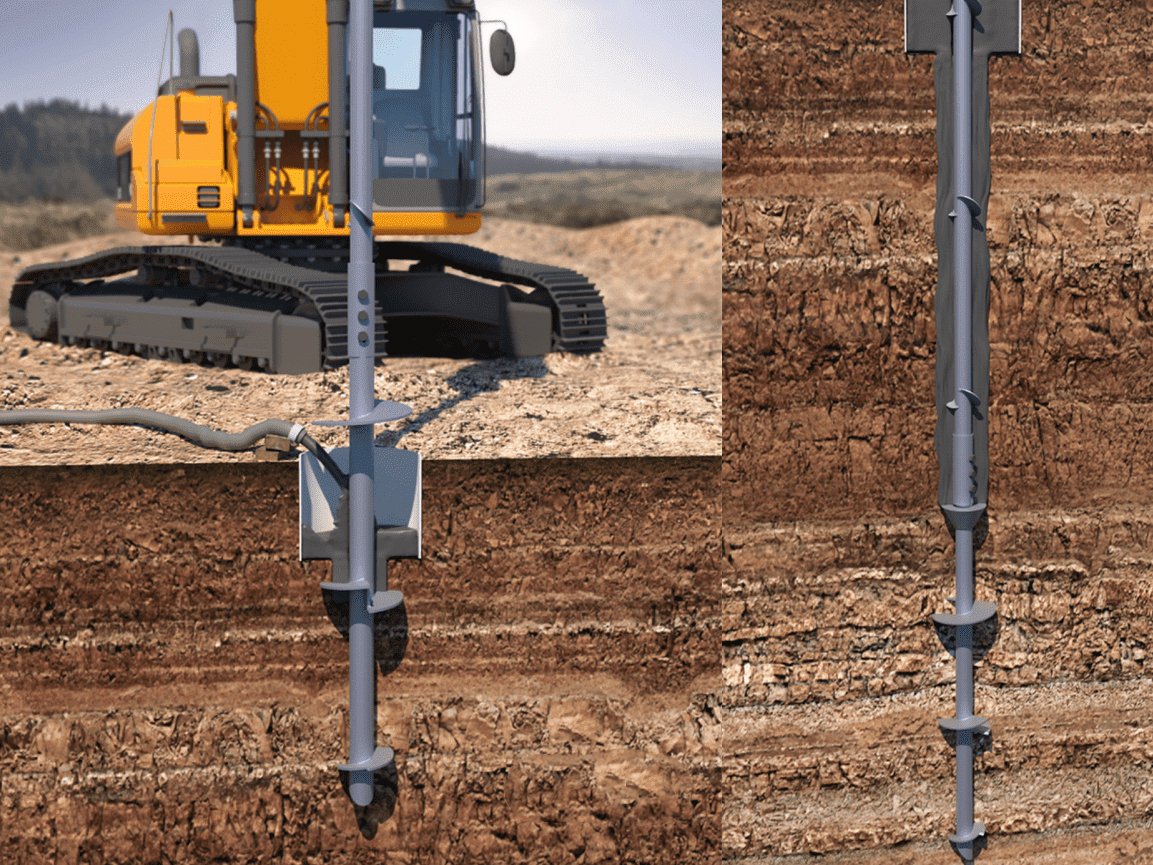
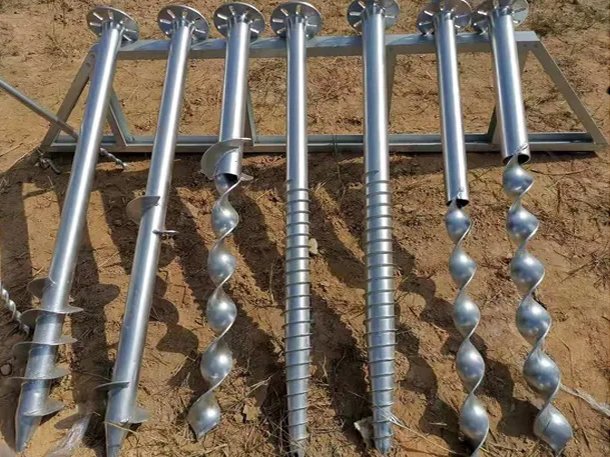
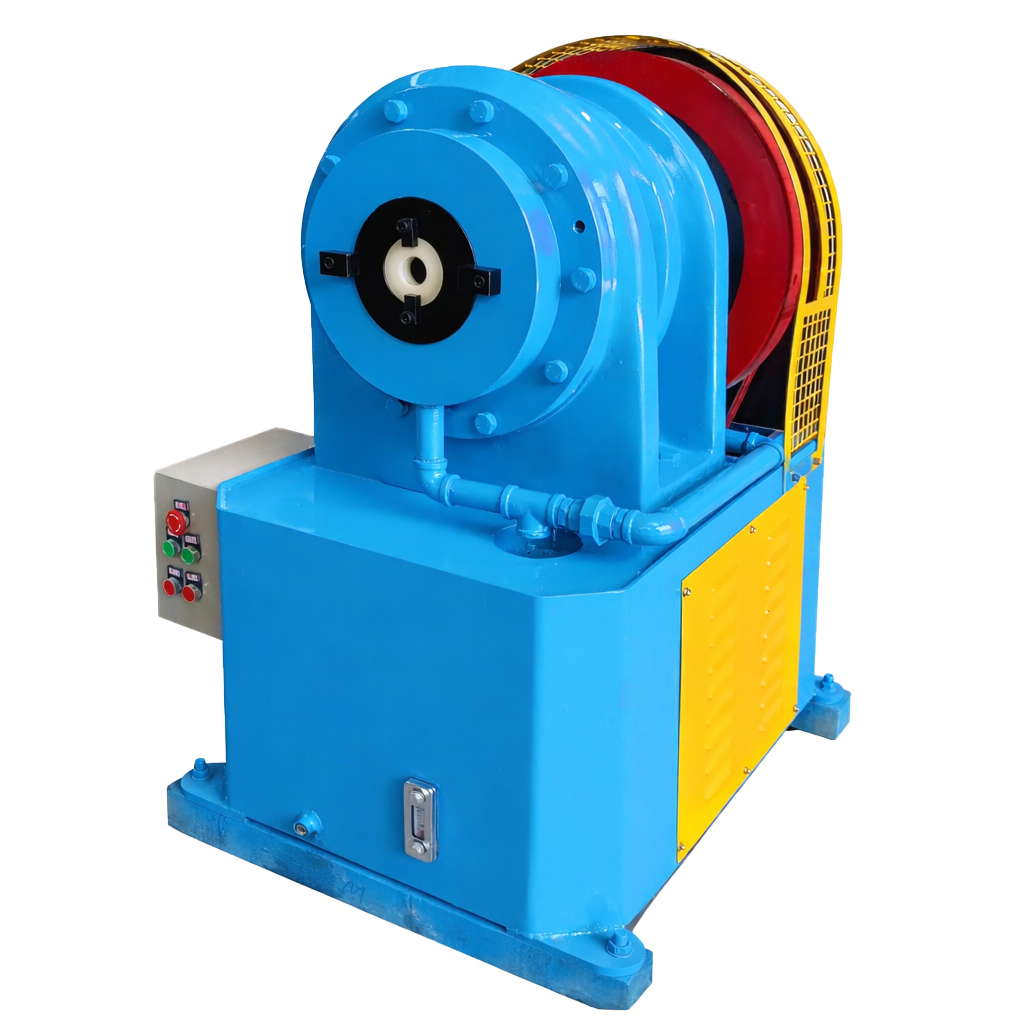
This Screw Pile Tapering Machine is specifically engineered for forming tapered ends on steel pipes used in screw piles and ground foundation systems. By precisely controlling axial feeding and radial forming forces, the machine produces smooth, consistent tapers that meet strict installation and load-bearing requirements. Compared with flame cutting or machining, rotary tapering ensures higher structural integrity and avoids weakening the pipe material. The formed taper provides better soil penetration and improved anchoring performance, making it ideal for solar foundations, fencing systems, and light industrial structures.
High Efficiency with Consistent Accuracy
The machine delivers stable forming speed and repeatable taper angles, ensuring uniform quality across large production batches. Hydraulic or servo-assisted feeding systems allow precise control of forming length and taper geometry. This level of consistency is critical for projects where screw piles must meet standardized specifications. By reducing dimensional variation, the machine helps manufacturers minimize rejection rates and simplify on-site installation, ultimately lowering total project costs for end users.
Industrial-Grade Design for Continuous Operation
Built for heavy-duty applications, the Screw Pile Tapering Machine features a reinforced frame, robust drive components, and industrial-grade hydraulic systems. It is designed to operate continuously in factory environments with minimal performance degradation. Safety guards, emergency stop systems, and centralized control panels enhance operational safety and ease of use. For manufacturers targeting infrastructure, renewable energy, or export markets, this machine provides a reliable and scalable solution for long-term production demands.
Applications & Industries
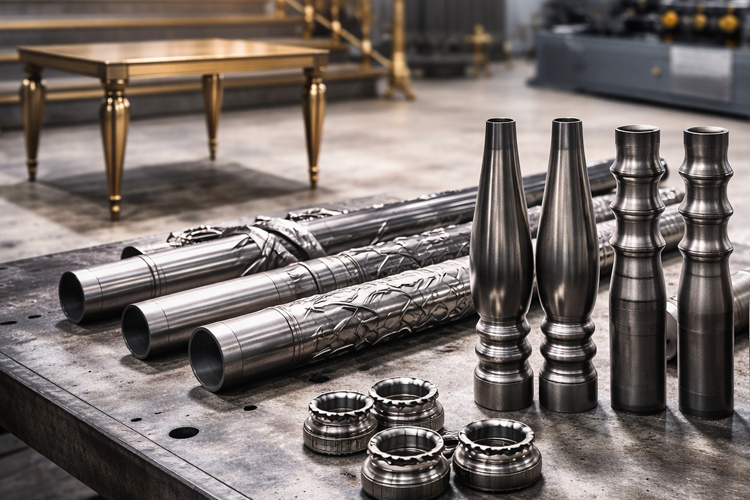
High-Strength Industrial Components
In the manufacturing of high-strength industrial components, rotary forging is particularly suitable for the precision forming of hollow, thick-walled, axisymmetric metal parts.
Through multi-pass incremental plastic deformation, the process significantly improves material density, axial strength, and overall structural consistency, while minimizing material waste.
This technology is widely applied in the production of metal shell-type components designed to withstand high internal pressure, strong impact loads, and extreme operating conditions.
Such applications demand exceptional forming accuracy, uniform wall thickness, and structural integrity—requirements that conventional manufacturing methods often struggle to achieve efficiently.
Construction & Ground Anchoring
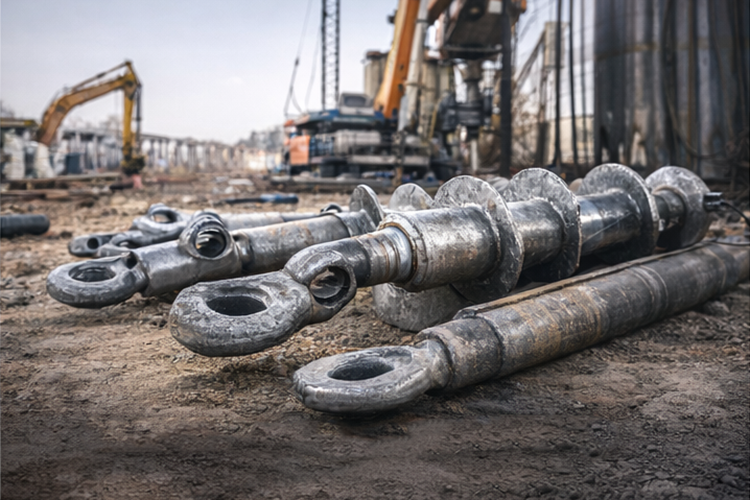
In construction and ground anchoring applications, rotary forging enables the efficient production of robust anchoring and structural connection components.
These parts require high load-bearing capacity, fatigue resistance, and consistent quality to ensure safety and stability in civil engineering and foundation systems.
Furniture & Structural Components
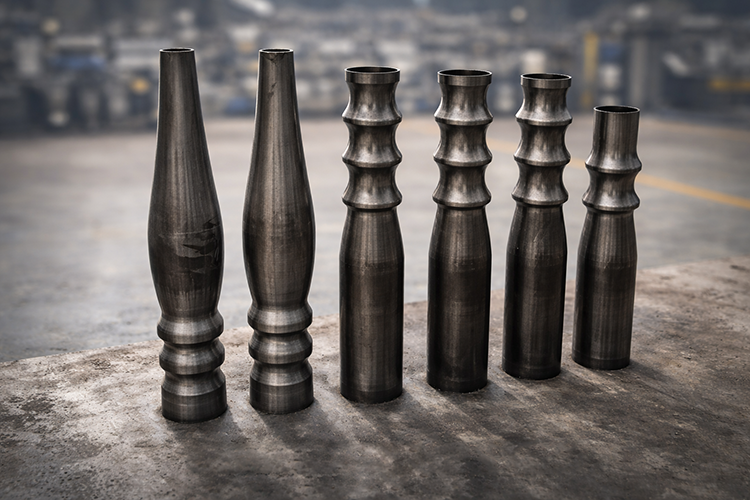
For furniture and general structural components, rotary forging provides a cost-effective solution for shaping metal elements with enhanced strength and clean surface quality.
The process supports both functional performance and aesthetic requirements, making it suitable for modern industrial and architectural furniture designs.
Automotive & Heavy Industry
In automotive and heavy industry applications, rotary forging is used to manufacture high-performance metal parts that demand strength, durability, and dimensional accuracy.
Typical applications include structural components and load-bearing parts where material integrity and production consistency are critical.
Energy & Infrastructure
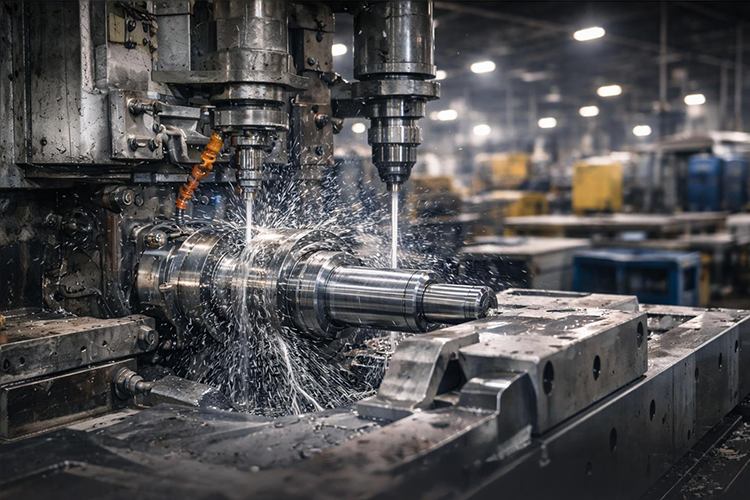
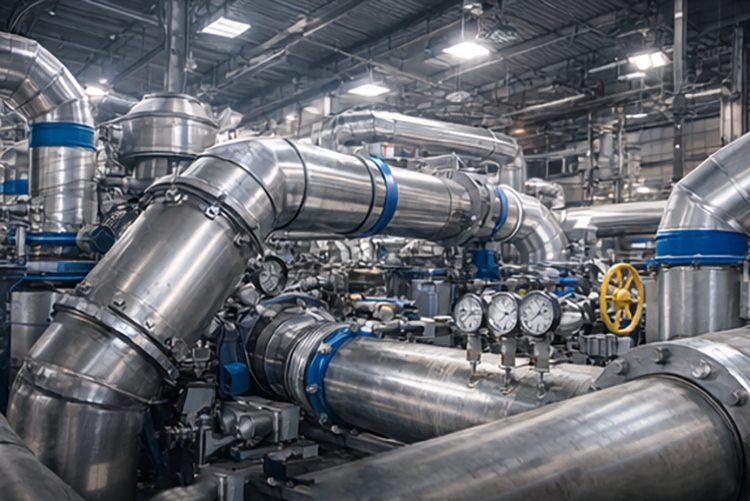
Rotary forging machines are extensively used in the energy and infrastructure sectors for forming high-strength metal components required in power transmission, energy equipment, and large-scale infrastructure systems.
The process ensures excellent mechanical performance and long-term reliability for components operating under continuous load and harsh environments.
Why EAS Machinery ?
Engineering-Driven Design
Machines designed from real forming processes, not generic templates.
Heavy-Duty Manufacturing Standard
Rigid frames, high-load spindles, and industrial-grade components.
Flexible Customization Capability
From standalone machines to integrated forming lines.
Export Experience & Compliance Awareness
Designed for international markets and long-term operation.
Service
Requirement Analysis
Technical Proposal & Configuration
Manufacturing & Testing
Delivery & After-Sales Support
Get Started Today!
Focused on Heavy-Duty Forming Solutions
Ready for growth? Get a personalized quote for our printing solutions today and start transforming your business vision into reality.
Your email information will be kept strictly confidential and our business staff will ensure that your private information is absolutely safe!